NEW YORK CITY – A noteworthy addition hailing from Chenango County will be joining the expected 47,000 entrants lacing up their running shoes for the famed 26.2 mile New York City Marathon. Recent stroke survivor Kelley Octigan of Sherburne will be running the grueling, yet extremely popular race, which annually receives an estimated 100,000 applications. Despite Hurricane Sandy, the marathon is still scheduled to step off Sunday, according to the marathon’s website and early reports from the New York Road Runners organization.
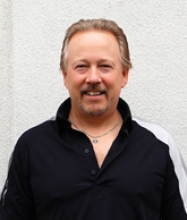
Octigan was in the best shape of his life when he switched a light on in his home and felt a shock run up his arm, leaving him dizzy and confused. “I had no idea what was happening, but my first thought was to sit down,” he said. “Then it occurred to me, that if I sat down, I might never get back up.”
In his early 50s, after years of exercise and healthy living, Octigan was having a stroke. Shortly before, Octigan had suffered from a misdiagnosed transient ischemic attack (TIA), often referred to as mini-stroke. After the TIA, Octigan had gone to his doctor and was recommended to a heart specialist for an Atrial Fibrillation (A-fib) which had plagued him in the past. He never made his appointment though, because before he did, the real stroke struck.
Although some 75 percent of all strokes are misdiagnosed, Bassett Healthcare providers almost immediately recognized Octigan’s stroke for what it was. “The information I got from National Stroke Association was amazing ... I learned people who have strokes are prone to have another debilitating one in the next five years,” said Octigan. Enamored with the national association, Octigan was compelled to apply for the special opportunity to fly the association’s colors during the world's largest annual marathon held in New York City.
Having made it through the selection process, Octigan will be joining 30 other Stroke Association runners Sunday who will be flying in from all over the nation to take part in the marathon. They will meet face to face for the first time the night before the marathon at a banquet held in the city.
Due to his stroke, Octigan will most likely spend the rest of his life on stroke preventive medications, making the marathon training twice as hard. The Metoprolol and Lipitor Octigan takes, in conjunction with his A-fib, causes him to tire easily and have constantly aching muscles. When Octigan consulted his doctor about running the marathon, he was told although it would strengthen his heart and be good for his A-fib, the medication would make it tough because he would have good and bad days.